
Bristol Plans More 20mph Speed Limits Across Major Roads
Bristol Council Moves Ahead With Plans to Reduce Speed Limits on More Roads
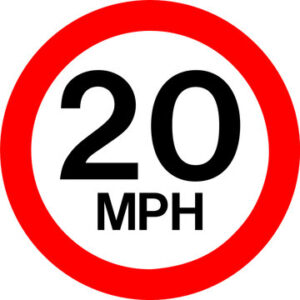
Taxi and private hire drivers in Bristol could soon face lower speed limits on several important routes as Bristol City Council moves forward with proposals to expand 20mph restrictions across the city.
The decision, approved by councillors on 22 October 2026, could affect daily journeys, airport transfers, school runs and passenger collection times.
Although much of Bristol already operates under a 20mph speed limit, some busy roads still allow vehicles to travel at 30mph. The council now intends to bring additional roads into the lower-speed network.
The changes are part of a wider effort to improve road safety and reduce the severity of collisions.
Which Bristol Roads Could Be Affected?
The proposals include several roads regularly used by taxis, private hire vehicles, delivery drivers and commuters.
Among the routes identified are:
- Bond Street
- Bath Road (A4)
- Church Road
- Winterstoke Road
- Coronation Road
- Temple Gate
- Anchor Road
- Hotwell Road
- Wells Road
- Stockwood Lane
- West Town Lane
- Sections of Shirehampton Road and Parry’s Lane
Not every section of these roads will necessarily be subject to a new limit. Drivers should check the council’s final traffic orders and road signs to establish precisely where changes apply.
Some roads originally considered, including Airport Road and Filton Avenue, have been excluded from this particular set of proposals.
Why Is Bristol Introducing More 20mph Limits?
Bristol City Council says its main objective is to improve safety for everyone using the city’s roads.
Lower vehicle speeds can give drivers more time to react to unexpected situations and reduce the severity of injuries when collisions occur.
This is particularly relevant on roads shared by pedestrians, cyclists, buses, taxis and private cars.
The council has also examined collision records and public feedback when deciding which roads should be included.
Supporters of lower speed limits believe the changes will make streets safer, particularly around busy shopping areas, residential neighbourhoods and pedestrian crossings.
However, some motorists and professional drivers may be concerned about longer journey times, traffic flow and the practical impact of further speed restrictions.
What Will the Changes Mean for Bristol Taxi Drivers?
For Bristol’s taxi and private hire industry, the proposals could have several practical consequences.
1. Journey Times May Need Reviewing
Drivers travelling between different parts of Bristol may need to allow additional time on routes where the speed limit changes.
The effect on individual journeys will depend on traffic conditions, the length of road affected and the number of junctions and traffic lights along the route.
2. Airport Transfers Could Be Affected
Drivers travelling to and from Bristol Airport frequently use roads connecting the city centre with southern Bristol.
Changes on relevant sections of the road network could influence estimated collection and arrival times, particularly during quieter periods when traffic previously moved closer to the existing speed limit.
Drivers should review their regular routes once the new limits are introduced.
3. Taxi Fares and Operating Costs
For metered taxis, slower journeys could affect fares where the meter calculates charges using both distance and waiting or low-speed time.
Private hire operators offering fixed fares may also need to consider whether their journey-time estimates remain accurate.
However, it would be premature to conclude that the proposed limits will automatically increase fares. The actual effect will depend on traffic conditions, the roads affected and each operator’s pricing arrangements.
4. Drivers Must Watch for New Road Signs
Professional drivers who regularly use the same roads can become accustomed to existing speed limits.
As new restrictions are introduced, drivers will need to pay particular attention to updated signs and changes in road markings.
A road that previously had a 30mph limit could become a 20mph road once the relevant legal procedures have been completed and the new restriction takes effect.
When Will the New Speed Limits Begin?
The council’s approval does not mean every proposed 20mph restriction is already in force.
Further legal and administrative steps are required, including the statutory Traffic Regulation Order process.
Implementation is expected to take place in stages, with work planned during 2027.
Until changes are formally introduced, drivers should continue following the speed limits currently displayed on each road.
Will Lower Speed Limits Make Bristol Safer or Slower?
The debate surrounding 20mph limits is likely to continue as the council prepares to implement its proposals.
Road safety campaigners argue that reducing vehicle speeds can protect vulnerable road users and make urban streets more welcoming.
Others question whether lowering speed limits on major routes will improve safety sufficiently to justify potential increases in journey times.
For taxi and private hire drivers, who may spend many hours each day travelling around Bristol, the effectiveness of the changes will be judged partly by how they influence safety, traffic movement and the reliability of passenger journeys.